
A home should be a place where your pet feels safe, comfortable, and relaxed. Yet even in a loving environment, dogs and cats can sometimes experience anxiety. Changes in their surroundings, unfamiliar sounds, separation from their owners, or a lack of stimulation can all affect how they feel throughout the day.
Pet anxiety doesn’t always look the same. Some animals may become restless or unusually vocal, while others may hide, withdraw, or develop changes in their everyday behavior. Understanding what makes your pet feel secure is an important first step toward creating a calmer environment.
Fortunately, small changes around the home can make a meaningful difference. By creating familiar spaces, maintaining predictable habits, and giving your pet appropriate ways to stay occupied, you can help make their surroundings feel more comfortable.
Understanding What May Cause Anxiety at Home
Pets can be sensitive to changes that people may barely notice. Loud noises, unfamiliar visitors, rearranged furniture, new household members, or changes in their owner’s schedule can all disrupt their sense of familiarity.
Some pets may also become anxious when they don’t have a quiet place to retreat. Constant activity around the home can be overwhelming, particularly for animals that naturally prefer peaceful and secure spaces.
Paying attention to when your pet becomes unsettled can help you identify possible triggers. Once you understand what situations affect them, you can begin making adjustments that support a more comfortable environment.
Create a Safe and Comfortable Space
One of the simplest ways to help an anxious pet is to give them a space where they can relax without being disturbed.
This could be a comfortable bed in a quiet corner, a cozy area away from heavy foot traffic, or a familiar spot where your pet already enjoys spending time. The space doesn’t need to be large. What matters is that your pet recognizes it as a place where they can retreat when they need some peace.
Try to keep this area consistent rather than frequently moving it around. Familiarity can help make the space feel more secure over time.
Keep Their Daily Habits Consistent
Pets often become comfortable with repetition. Knowing when they are likely to be fed, played with, walked, or allowed to rest can give their day a sense of predictability.
This doesn’t mean you need to follow an exact schedule. Instead, try to keep important activities relatively consistent.
If your pet normally has playtime in the evening, for example, maintaining that habit can give them something familiar to look forward to. Small routines can become reassuring anchors when other parts of the day are unpredictable.
Give Your Pet Something Positive to Focus On
Mental stimulation can be especially useful when a pet is spending a lot of time indoors.
Interactive toys, puzzle activities, and other forms of enrichment can give dogs and cats something constructive to focus on. Instead of reacting to every sound or movement around them, they have an opportunity to engage with an activity that captures their attention.
For dogs, this could involve toys that encourage problem-solving or searching. Cats may enjoy activities that encourage chasing, batting, or exploring.
Choosing activities that match your pet’s natural interests can make them more rewarding.
Reduce Unnecessary Noise and Disruptions
The sounds of everyday life can sometimes be stressful for pets. Loud television, construction sounds, visitors, household appliances, or sudden bursts of activity may make some animals uncomfortable.
You don’t have to create a completely silent home. Instead, consider where your pet spends most of their time and whether they have somewhere quieter to go when the household becomes busy.
Giving them the option to move away from noise allows them to manage their environment more comfortably.
Comfort Can Make a Difference
Physical comfort and emotional comfort often go hand in hand.
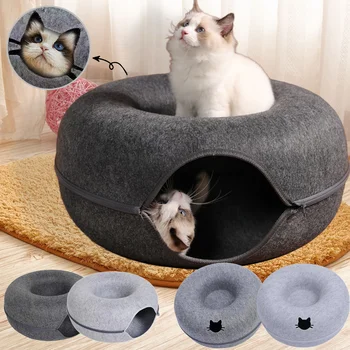
A comfortable resting area gives your pet somewhere familiar to settle down when they feel overwhelmed. Soft bedding, an appropriate resting surface, and a space away from excessive activity can help create an environment where relaxation feels natural.
Your pet may also have a favorite blanket, toy, or other familiar item that provides additional comfort. Keeping familiar objects nearby can help make their surroundings feel more recognizable.
Spend Quality Time Together
Sometimes one of the most effective ways to make your pet feel secure is simply to spend time with them.
Gentle interaction, play, grooming, or quietly sitting together can reinforce the bond between you and your pet. These moments allow them to associate their home with positive experiences and attention.
It’s also important to let your pet choose how they want to interact. Some animals enjoy constant attention, while others prefer to stay nearby without being handled. Learning your pet’s preferences can make your time together more comfortable for both of you.
Know When Anxiety Needs Extra Attention
Small environmental changes can help support a calmer home, but persistent anxiety shouldn’t be ignored.
If your pet regularly displays significant changes in behavior, has trouble eating or sleeping, becomes destructive, hides excessively, or shows other concerning signs, it’s worth speaking with a veterinarian. Behavioral changes can sometimes have underlying medical or emotional causes that require professional guidance.
Creating a supportive environment is helpful, but professional advice may be necessary when anxiety becomes persistent or severe.
Make Your Home Feel More Comfortable
You don’t need to completely change your home to make it more relaxing for your pet. A quiet resting area, familiar routines, engaging activities, and plenty of positive interaction can all contribute to a more comfortable environment.
The most important thing is to understand your individual pet. What helps one animal relax may not work for another, so pay attention to their behavior and preferences.
At Pawfin and Feather Supply, you can explore everyday pet essentials that can help create a more comfortable, enriching environment for your companion.
Explore our collection and discover simple ways to make your pet feel more comfortable at home.




0 Comments