
Pets communicate in many ways, but they cannot always tell us exactly what they need. Instead, they rely on body language, routines, reactions, and everyday habits to express how they feel. From the way they greet you in the morning to where they choose to rest, these small behaviors can reveal a lot about their comfort, preferences, and overall well-being.
Understanding these everyday habits can help pet owners become more attentive and responsive companions. A change in behavior may simply reflect a change in routine, while repeated behaviors can reveal preferences that are easy to overlook. By paying closer attention to what your pet naturally does each day, you can create an environment that better suits their individual personality and needs.
Your pet’s behavior is often a window into their everyday experience. The more familiar you become with their normal habits, the easier it becomes to notice when something feels different. This awareness can help you make thoughtful adjustments to their surroundings, activities, and daily care.
Why Everyday Behavior Matters
Every pet has its own personality, and their daily habits are part of what makes them unique. Some pets may follow their owners from room to room, while others prefer having their own quiet space. Some become excited when they see a favorite toy, while others show their preferences through where they sleep or how they interact with different parts of the home.
These behaviors can provide useful clues about what your pet enjoys and what makes them feel comfortable. Instead of assuming that every pet likes the same things, observing their natural choices allows you to understand their individual personality.
Paying attention to these patterns also gives you a better idea of what is normal for your pet. Once you know their usual behavior, changes can become easier to recognize and understand.
Common Habits That Reveal Your Pet’s Preferences
Your pet’s everyday actions can tell you more than you might expect. Where they choose to sleep, what objects they interact with, and how they respond to different situations can all provide insight into their preferences.
Where They Like to Rest
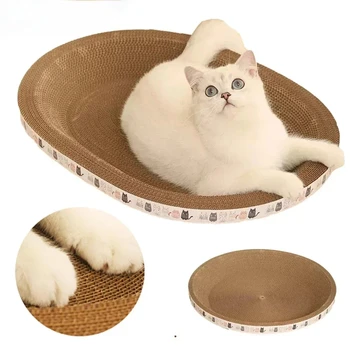
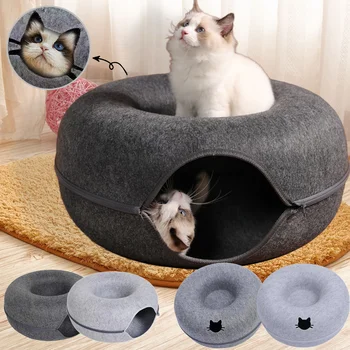
A pet’s favorite resting spot can reveal what makes them feel comfortable. They may prefer a soft bed, a quiet corner, a spot near a window, or somewhere close to the family. Their choice may depend on temperature, noise, lighting, or simply their personality.
Rather than constantly moving their favorite resting area, consider why they have chosen that particular location. Understanding their preference can help you create a space they naturally enjoy using.
How They Interact With Their Toys
Pets often develop clear preferences for certain toys. One may enjoy carrying a toy around, while another may prefer something they can chew, chase, or explore. Their choices can change over time as well.
Watching how your pet interacts with different toys can help you avoid buying items they rarely use. It also gives you an opportunity to provide options that match their natural interests.
How They React to Their Environment
Your pet’s reactions to everyday situations can also provide valuable information. They may become more active when the household is quiet, seek attention when someone arrives home, or retreat when there is too much activity around them.
These reactions can help you understand what types of environments your pet prefers. Small adjustments to their surroundings may make their everyday experience more comfortable.
Changes in Behavior Are Worth Noticing
One of the most important reasons to understand your pet’s normal habits is that changes become easier to recognize. A pet that suddenly stops using a favorite space, loses interest in activities they normally enjoy, or behaves differently from usual may be experiencing a change in their environment or routine.
Not every behavioral change means there is a serious problem. Pets can respond to changes in household activity, new surroundings, different schedules, or unfamiliar experiences. However, noticeable or persistent changes are worth paying attention to.
Keeping an eye on patterns rather than focusing on one isolated moment can give you a clearer picture of your pet’s behavior. If you are concerned about a significant or ongoing change, speaking with a veterinarian can help you determine the appropriate next step.
Let Your Pet’s Personality Guide Their Care
There is no single approach that works perfectly for every pet. Two dogs may have completely different preferences, just as two cats living in the same home may behave very differently.
One pet may love attention throughout the day, while another may prefer interaction on their own terms. Some pets enjoy exploring new things, while others are happiest when their surroundings remain familiar.
Understanding these differences allows you to make better choices for your individual companion. Instead of comparing your pet to others, pay attention to the habits that make them unique.
Create an Environment That Matches Their Habits
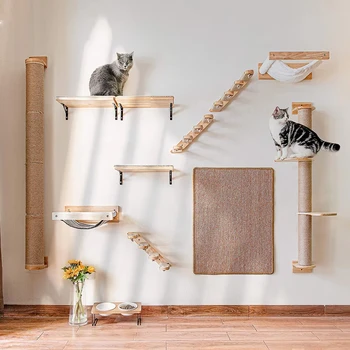
Once you understand your pet’s preferences, you can use that information to make their everyday environment more suitable. If they frequently seek a comfortable place to rest, make sure they have an inviting area available. If they enjoy exploring, provide safe opportunities for curiosity and activity.
Their environment does not need to be complicated. Often, simple additions or small changes can make familiar spaces more useful and enjoyable. The goal is to create an environment that works with your pet’s natural habits rather than against them.
The products you provide can also become part of this process. Comfortable resting areas, engaging toys, grooming essentials, and practical everyday accessories can help support different aspects of your pet’s routine and personality.
Pay Attention Before Making Changes
It can be tempting to immediately change something when you notice a particular behavior. However, taking time to observe first can help you make better decisions.
Look for patterns. Does your pet behave this way at a certain time of day? Does the behavior happen in a particular room? Does it occur around certain people, objects, or activities? These details can help you understand the behavior more accurately.
Observation is one of the simplest tools available to pet owners. By giving your pet time and space to show their natural preferences, you can learn what makes their everyday life more comfortable.
Understanding Your Pet Starts With Observation
Your pet’s everyday habits may seem like small details, but together they can tell an important story. Their favorite places, reactions, routines, and preferences can help you understand their personality and recognize what makes them feel comfortable.
Being a more observant pet owner does not require complicated techniques. It simply means slowing down and noticing what your companion is already showing you. Over time, these observations can help you make more thoughtful choices about their environment, activities, and everyday care.
A better understanding of your pet begins with paying attention to the little things. Explore our product collection and discover practical essentials designed to make everyday life with your pet even better.




0 Comments